If you're moving freight through South Florida — whether it's coming off a container at PortMiami, clearing customs at MIA, or staging for last-mile delivery across Miami-Dade — you've faced the same question every broker faces: do I cross-dock this load or put it in storage?
It sounds simple. It isn't. The wrong call costs you time, money, or both. Here's how to think through it correctly.
What's the actual difference?
Warehousing is storage with a timeline. Freight comes in, gets racked or floor-stacked, and sits until it's needed. You're paying for space and time. The value is holding inventory close to its final destination so you can fulfill quickly when orders come in.
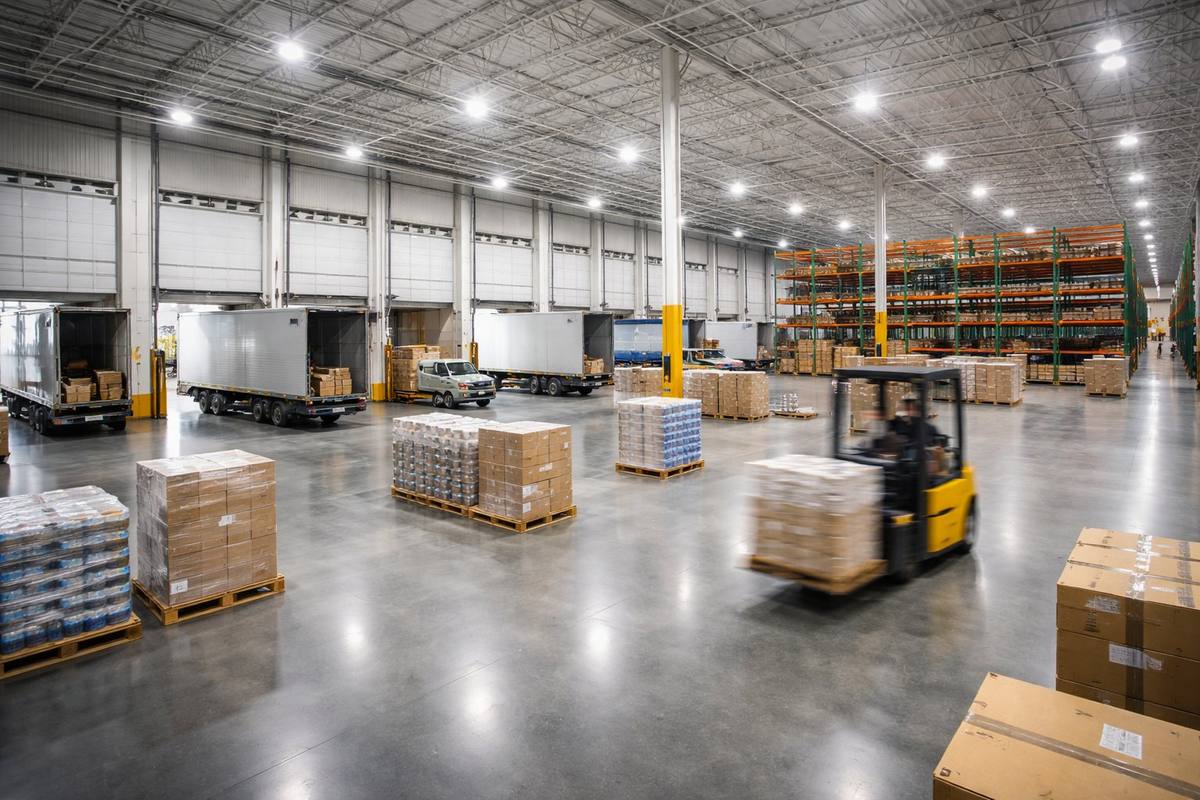
Cross-docking is a transfer, not a stay. Freight arrives at the inbound dock, gets sorted and staged, and rolls out on an outbound truck — ideally the same day. You're paying for labor and coordination, not storage. The value is speed and cost reduction when freight doesn't need to sit.

When cross-docking makes sense
Cross-docking is the right call when speed matters more than storage. These are the scenarios where brokers in South Florida consistently benefit:
- Time-sensitive freight — perishables, just-in-time manufacturing parts, or loads with tight delivery windows
- Consolidated LTL shipments — multiple smaller inbound loads sorted and consolidated for a single outbound truck
- Import containers clearing PortMiami or MIA — devanned and immediately staged for local distribution
- Overflow and surge loads — when a distribution center is full and freight needs a clean midpoint before delivery
- Retail replenishment — store deliveries that are pre-sold and just need a local staging point
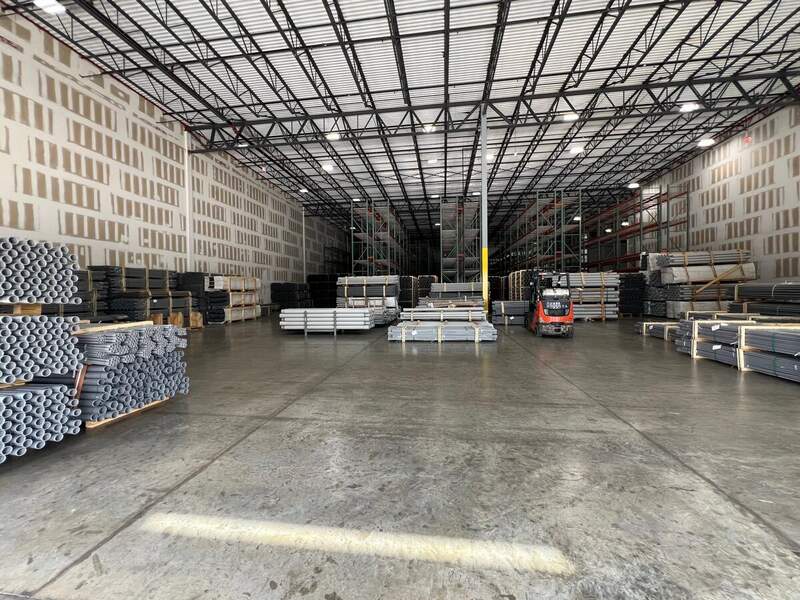
At our Medley facility, same-day cross-docking is one of the most common requests we get from brokers — especially for loads coming off the port or out of MIA cargo terminals that need to hit a final destination in South Florida the same day.
When warehousing makes sense
Warehousing is the right call when the freight has no immediate destination — or when holding it strategically reduces downstream costs.
- Inventory buffer stock — products that need to be available for recurring orders but don't have a specific outbound date yet
- Import staging — containers cleared at PortMiami where the buyer needs time to arrange final delivery
- Seasonal stock buildup — storing product ahead of peak periods to ensure availability
- Overflow from distribution centers — when a primary facility is at capacity and inventory needs to live somewhere nearby
- E-commerce fulfillment prep — holding SKUs close to the customer base for fast outbound response
Side-by-side comparison
| Factor | Cross-Docking | Warehousing |
|---|---|---|
| Dwell time | Hours (same day) | Days to months |
| Cost driver | Labor & handling | Space & time |
| Best for | Freight with a known destination | Inventory with uncertain timing |
| Inventory control | Minimal — freight keeps moving | Full — tracked pallet positions |
| Risk of damage | Lower — fewer touches | Low with proper racking |
| Flexibility | Less — needs outbound carrier ready | High — outbound can wait |
| Good near PortMiami/MIA? | ✓ Yes — fast import turns | ✓ Yes — strategic inventory position |
Why location matters in South Florida
Most logistics decisions are geography decisions. In South Florida, the equation revolves around two nodes: PortMiami and Miami International Airport (MIA). Both are high-volume import hubs — and both feed into the same dense last-mile delivery zone covering Miami-Dade, Broward, and Palm Beach counties.
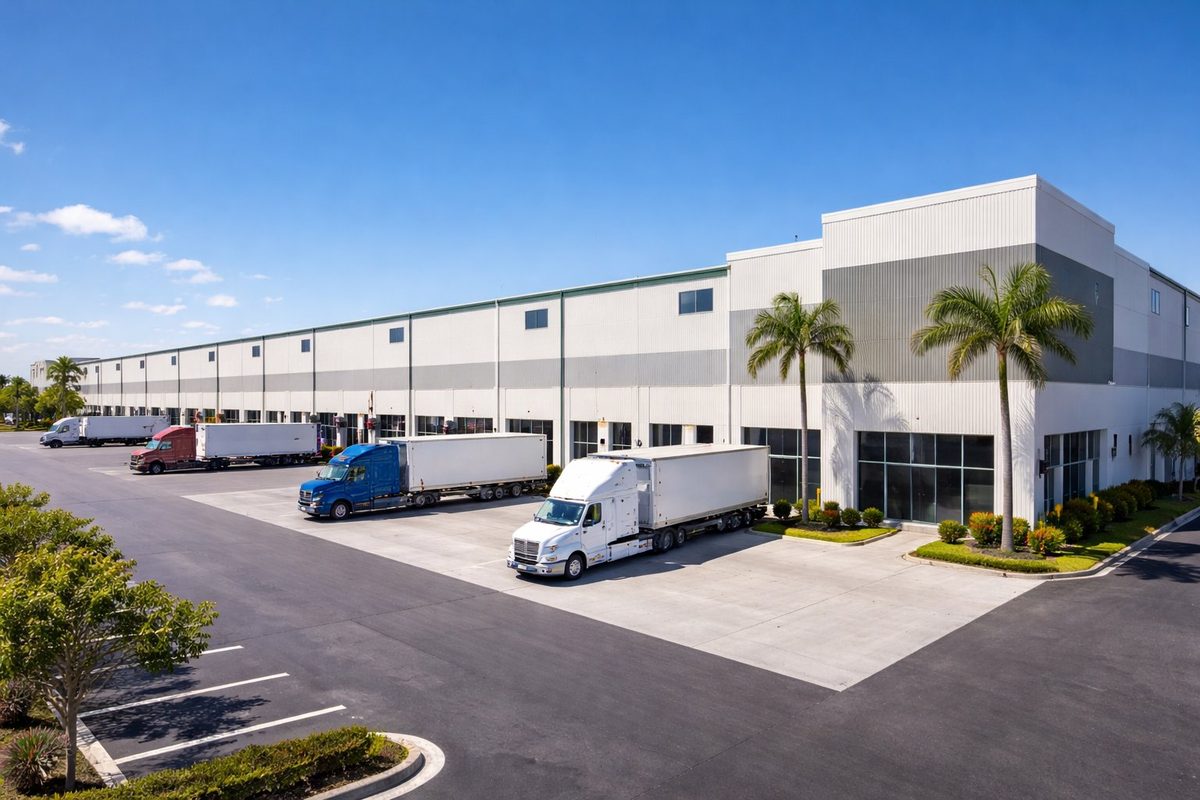
Medley sits at the intersection of Florida's Turnpike and SR-826 (Palmetto Expressway), which puts it within fast striking distance of both. That's why import freight — whether it arrives by sea or air — consistently ends up at warehouses in this submarket before final delivery.
The hybrid approach most brokers actually use
In practice, most steady-state freight operations use both. A typical pattern we see at our facility:
- Container arrives at PortMiami → devanned on-site → palletized freight goes into short-term storage
- Buyer confirms delivery schedule → pallets are pulled, re-labeled if needed, and staged for outbound
- Outbound carrier arrives → freight cross-docked directly to truck for final delivery
That's not pure cross-docking and it's not pure warehousing — it's sequenced handling that uses the right tool at each stage. The key is having a single facility that can do all of it without requiring you to move freight between locations.
The bottom line
Cross-dock when your freight has somewhere to be today. Warehouse when it needs to wait for the right moment. And when you're operating near PortMiami or MIA, make sure your 3PL can handle both — because most real-world freight flows don't fit neatly into one category.
If you're moving freight through South Florida and need a facility that can cross-dock, store, or do both in sequence, get in touch with the 3PL Prime team. We respond to every RFQ within 24 hours.
Need cross-docking or storage in Medley, FL?
Same-day cross-docking available. 25+ pallets get your first month free. No setup fees.