Florida is one of the most active logistics markets in the United States. Between PortMiami, Miami International Airport, the Port of Tampa, Port Everglades, and hundreds of miles of interstate connecting the state's major metros, there's no shortage of freight moving through Florida every day.
That also means there's no shortage of 3PL companies claiming to serve it. So how do you find the right one? This guide walks through the five most important factors when evaluating a Florida 3PL — and the mistakes most businesses make when they skip them.
1. Location relative to your freight corridors
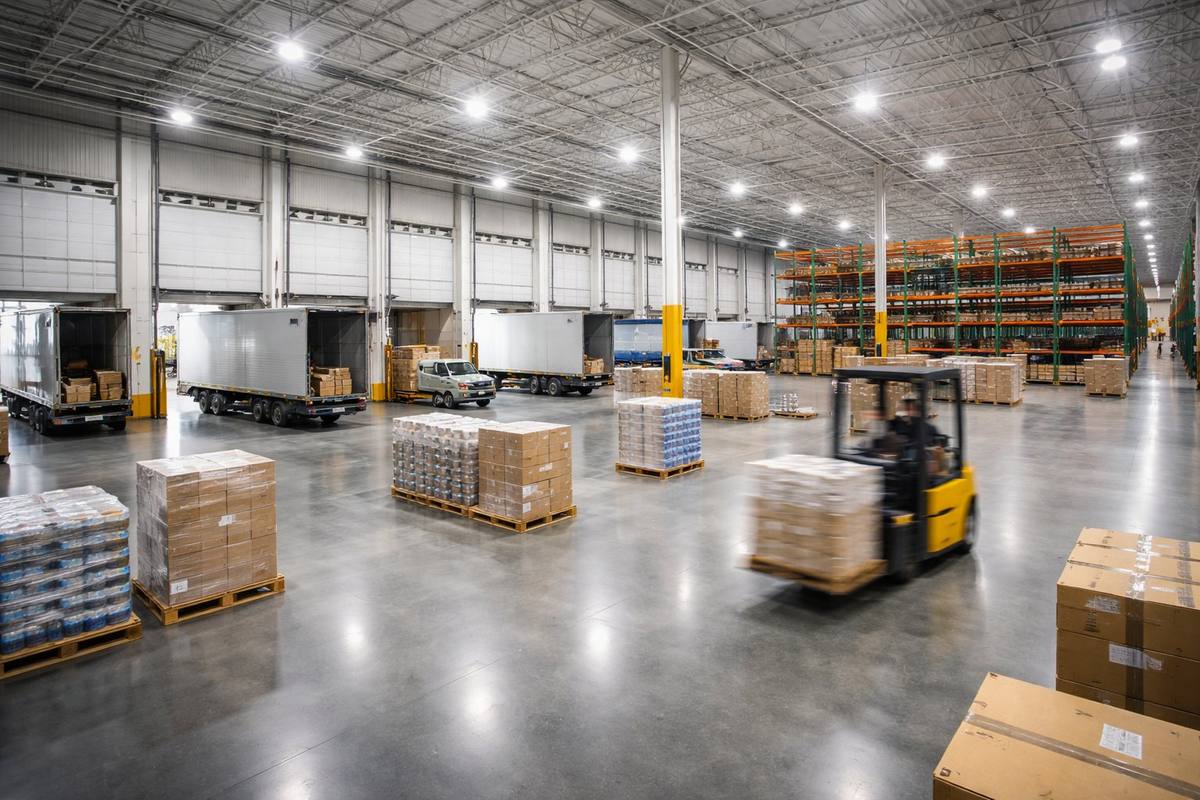
In logistics, location is everything. A 3PL warehouse 40 miles from your key port or airport isn't just inconvenient — it's expensive. Every extra mile of drayage adds cost and time to every container release, every air freight transfer, every inbound truck.
In Florida specifically, the geography varies dramatically by region:
- South Florida (Miami-Dade, Broward): The import-heavy zone. PortMiami and MIA handle billions in cargo. You want a 3PL within 15–20 miles of these hubs. Medley, Doral, and Hialeah are the preferred submarkets.
- Central Florida (Orlando, I-4 corridor): Distribution-heavy. Strong for e-commerce and retail fulfillment serving the Southeast.
- Tampa Bay: Port of Tampa is a major bulk and container hub. A 3PL near the port cuts turns significantly for importers.
Before signing anything, map your inbound freight origins and outbound delivery zones. The right 3PL sits at the center of that network — not on the edge of it.
2. Services that match your actual operation
Not every 3PL does everything. And the ones that claim to often do some things well and others poorly. Be specific about what you need before you evaluate providers.
Common Florida 3PL services include:
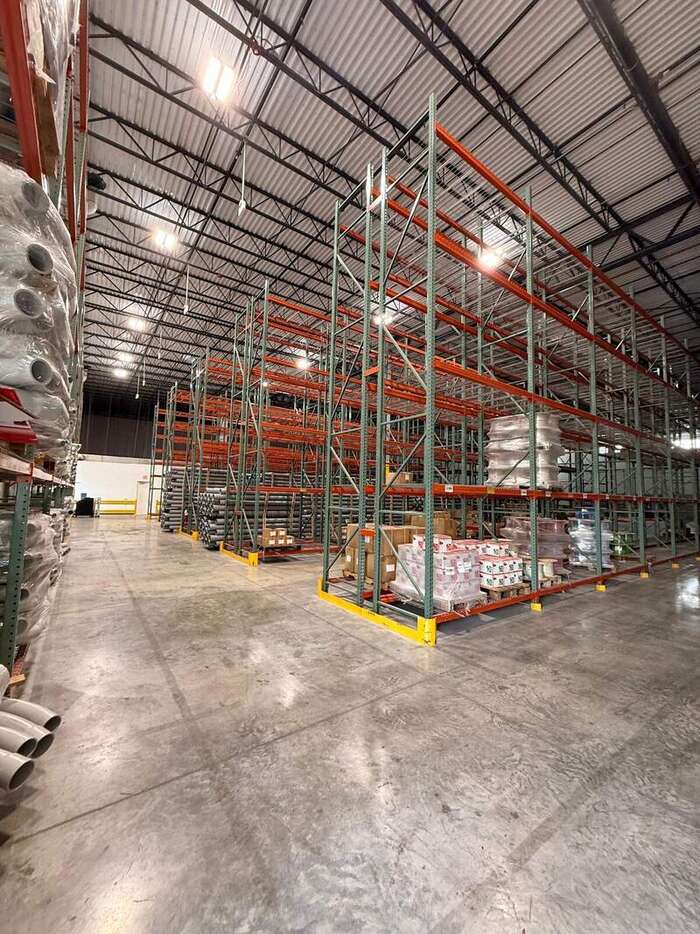
- Pallet storage — short-term or recurring, floor-stacked or racked
- Cross-docking — inbound-to-outbound transfers with no long-term storage
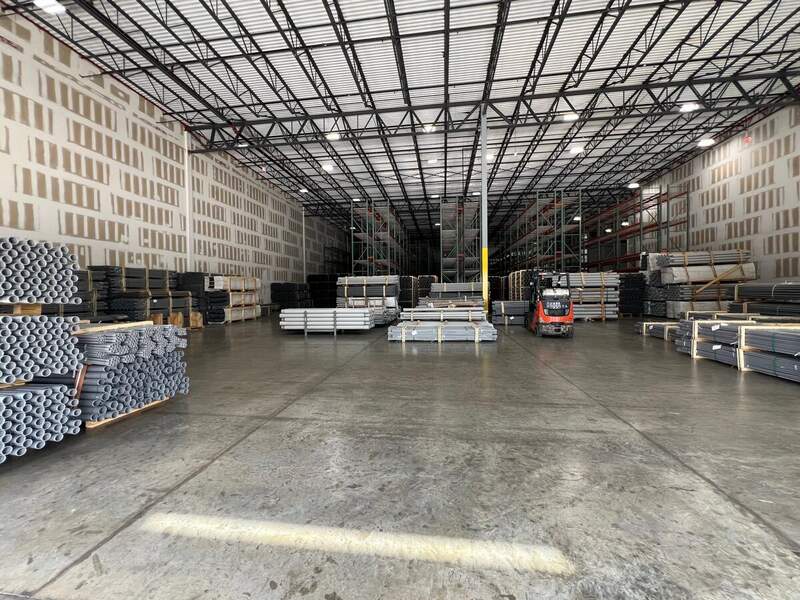
- Container devanning — unloading floor-loaded ocean containers and palletizing
- Pick-and-pack fulfillment — order processing for e-commerce or retail
- Last-mile distribution — delivery to end customers across South Florida
- Value-added services — labeling, kitting, repackaging
Importers turning containers from PortMiami need devanning and cross-docking. E-commerce sellers need fulfillment and last-mile. Distributors need storage with reliable inbound/outbound handling. Make sure the 3PL you're evaluating is built for your specific use case — not just broadly capable.
Quick tip: ask about their primary client profile
A good 3PL will be able to tell you exactly who their best clients are. If their answer matches your business type, that's a strong signal. If they hesitate or give a vague answer, they may be overstretched across too many verticals.
3. Transparent pricing with no hidden fees
3PL pricing is notoriously opaque. Base storage rates look attractive, then accessorial charges — fuel surcharges, handling fees, minimum charges, special project fees — stack up on the invoice. This is one of the most common complaints businesses have when switching 3PLs.
When evaluating pricing, ask for a complete rate card that includes:
- Storage rate per pallet per month (and how it changes at volume)
- Inbound receiving fee per pallet or per hour
- Outbound handling fee per order or per pallet
- Any fuel, administrative, or technology surcharges
- Minimum monthly charges
- Setup fees (there should be none)
A 3PL that won't give you a full rate card upfront is one you'll be fighting invoices with later. Transparency at the quoting stage is a reliable indicator of how the billing relationship will go.
4. Technology and visibility
You need to know where your inventory is at all times. A 3PL without a warehouse management system (WMS) that gives clients real-time visibility is a liability — especially for businesses managing lean inventory or time-sensitive freight.
At minimum, your Florida 3PL should offer:
- A client portal with real-time inventory counts and transaction history
- Inbound and outbound shipment confirmation with timestamps
- Digital documentation (bills of lading, receiving reports, PODs)
- Email or SMS alerts for key events (inbound received, outbound released)
Enterprise WMS integrations (EDI, API connections to your ERP or e-commerce platform) are a bonus. But even basic digital visibility separates professional 3PLs from operations still running on clipboards and spreadsheets.
5. Operational reliability — not just capacity
Capacity is easy to sell. Reliability is what actually matters. A 3PL with 500,000 sq ft of warehouse space that misses inbound windows, loses pallets, or takes days to respond to questions is worse than a smaller, tighter operation that executes consistently.
Evaluate reliability by asking these questions before signing:
- What is your on-time inbound processing rate?
- How do you handle discrepancies or damaged freight?
- What is your average RFQ response time?
- Who is my primary point of contact, and what are their hours?
- Can you provide references from current clients in a similar freight category?
The best 3PL relationship is one where you stop worrying about your freight. That only happens when the operation is consistent, the communication is proactive, and the billing is clean.
Florida-specific considerations
Beyond the standard evaluation criteria, Florida's logistics market has some unique factors worth keeping in mind:
Hurricane season. June through November is active storm season in Florida. Ask your 3PL how they handle weather-related disruptions — dock closures, carrier delays, emergency protocols. A good operator will have a documented contingency plan.
Import volume cycles. South Florida has distinct import peak seasons driven by PortMiami container flows and MIA air cargo. Your 3PL should have the staffing and dock capacity to handle volume spikes without degrading service for existing clients.
Customs broker relationships. If you're importing, your 3PL's proximity to customs brokers and freight forwarders — and their familiarity with common customs workflows — can save you days on container release times.
Making the right call
The right Florida 3PL isn't the cheapest one or the biggest one. It's the one whose location, services, pricing structure, technology, and operational culture align with how your freight actually moves.
Take the time to visit facilities in person. Ask for references. Get a full rate card before committing. And pay attention to how responsive they are during the sales process — that responsiveness (or lack of it) is exactly what you'll get once you're a client.
If you're moving freight through South Florida — importing through PortMiami, handling MIA air cargo transfers, or distributing across Miami-Dade and Broward — 3PL Prime in Medley, FL is built for exactly that operation. No setup fees, 24-hour RFQ response, and a Class A Prologis facility 9 miles from MIA.
Ready to evaluate 3PL Prime?
Submit an RFQ and we'll respond within 24 hours with a custom quote. No setup fees, no long-term commitment required to start.
Request a Quote →