One of the most common questions businesses ask when evaluating third-party logistics in Florida is: what does it actually cost? 3PL pricing is notoriously hard to compare because providers structure their fees differently — and the base rate rarely tells the full story.
This guide breaks down the real cost components of Florida 3PL warehousing in 2025, what typical rates look like in South Florida, and how to avoid the billing surprises that catch most new clients off guard.

The main cost components of Florida 3PL
Most 3PL pricing in Florida breaks down into a few core categories. Understanding each one helps you compare providers accurately and budget correctly.
Pallet storage (per pallet per month)
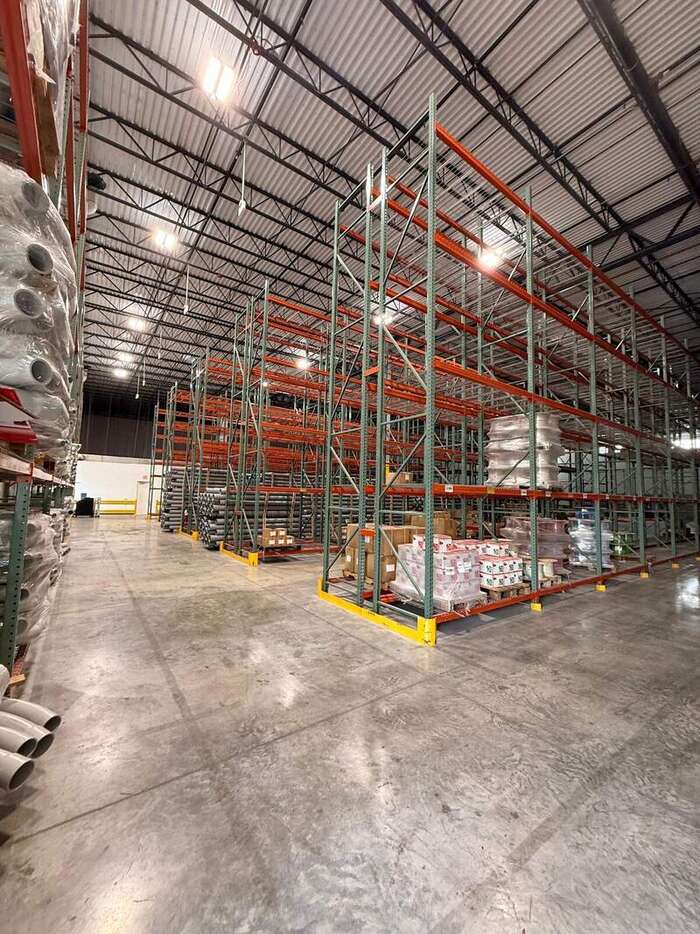
This is the most visible line item — how much you pay to store a pallet in the warehouse. In South Florida (Medley, Doral, Hialeah), typical market rates in 2025 range from $18–$28 per pallet per month for standard floor-stacked storage. Racked storage runs slightly higher, $22–$35, depending on the facility class and location.
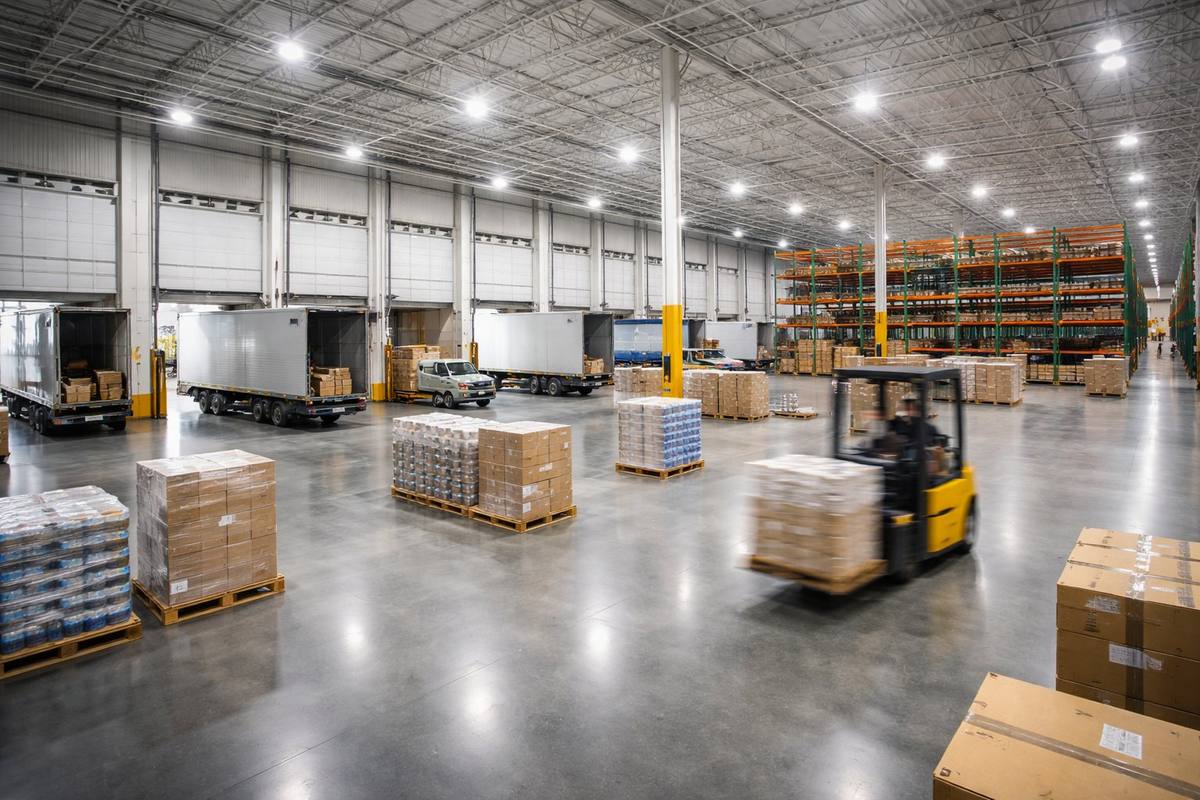
Class A Prologis facilities in prime locations like Medley tend to sit in the middle of that range — higher than older, lower-quality facilities but lower than specialized cold storage or high-security operations.
Inbound receiving
Most 3PLs charge to receive freight into the warehouse. This covers unloading, check-in, labeling, and put-away. Common structures:
- Per pallet: $8–$18/pallet depending on freight complexity
- Per hour: $45–$75/hour for labor-intensive receiving (loose cartons, floor-loaded containers)
- Per container: $250–$600 for full container devanning
Outbound handling
Similarly, there's typically a charge when freight leaves — pulling pallets, staging for pickup, loading. Rates range from $6–$15 per pallet for standard outbound, with additional charges for specialty handling.
Cross-docking
If you're not storing freight but transferring it directly from inbound to outbound trucks, cross-docking is priced differently — usually a flat rate per transfer or per pallet handled. In South Florida, same-day cross-dock rates typically run $12–$25 per pallet depending on volume and complexity.
Sample monthly cost: 50 pallets stored, 20 outbound orders
Storage: 50 pallets × $22/mo = $1,100 | Inbound (20 pallets/mo): 20 × $12 = $240 | Outbound (20 orders): 20 × $10 = $200 | Total: ~$1,540/month. This is a representative estimate — actual costs depend on your specific operation and provider.
The hidden fees that inflate your actual invoice
The base rate is only part of the picture. The costs that catch clients off guard are usually in the accessorial and administrative fee schedule — which many providers bury in the contract or don't disclose until the first invoice.
Common accessorial charges to ask about upfront:
- Minimum monthly charge: Many 3PLs require a minimum billing amount ($500–$1,500/month) even if your volume is lower. This is often not mentioned until you're reviewing the contract.
- Fuel surcharge: Some providers apply a fuel surcharge (3–8%) on top of handling fees, tied to a weekly fuel index.
- After-hours or weekend receiving: Premium rates for off-hours dock appointments, often $75–$150/hour above standard.
- Special project fees: Relabeling, repackaging, or any non-standard work is typically billed at $45–$65/hour, which adds up fast.
- Pallet disposal: Some providers charge $3–$8 per pallet to dispose of damaged or unwanted pallets.
- Account setup fee: Legitimate 3PLs don't charge this. If you see it, push back or walk away.
Why South Florida 3PL pricing is slightly higher than the national average
Florida 3PL rates — especially in South Florida — tend to run 10–20% above national averages for a few structural reasons:
Real estate costs. Industrial real estate in Miami-Dade has appreciated sharply since 2020. Class A warehouse space in Medley commands premium rents, and that cost is reflected in storage rates.
Labor market. South Florida has a tight warehouse labor market. Higher wages translate to higher handling costs compared to inland markets.
Import volume and demand. The combination of PortMiami and MIA creates sustained, high demand for quality 3PL space near the ports. That demand supports higher pricing for well-located facilities.
That said, the premium is usually worth it for importers and distributors whose freight actually flows through South Florida. The alternative — cheaper warehouse space 40 miles away — often costs more in drayage, carrier delays, and lost time than the rate difference saves.
How to compare 3PL quotes accurately
When you're getting quotes from multiple Florida 3PL providers, use this framework to make a clean comparison:
- Request a full rate card — not just storage rates, but inbound, outbound, cross-dock, and all accessorial fees
- Ask about minimums — monthly minimums can make a "cheap" 3PL far more expensive at your actual volume
- Model your actual usage — take a typical month's freight and run it through each rate card to get a real cost comparison
- Check for setup fees — there should be none. If there are, that's a negotiating point or a disqualifier
- Ask for a sample invoice — seeing how a current client's invoice is structured tells you more than any rate card
How 3PL Prime approaches pricing
At 3PL Prime, we publish our pricing structure upfront and provide a complete rate card with every quote. No setup fees. No hidden minimums that change the math after you've signed. No fuel surcharges layered on top of handling rates.
New clients storing 25 or more pallets qualify for their first month of storage free — no contract required to start. Submit an RFQ and we'll respond within 24 hours with a full, itemized quote for your operation.
Get a real quote for your freight
Tell us your pallet count, service needs, and timing — we'll send back a complete, transparent rate card within 24 hours.
Request Pricing →