
Container devanning — the process of unloading freight from a shipping container and preparing it for distribution — is one of the most cost-sensitive operations in the import chain. Done well, it adds two hours and a few hundred dollars to your import cycle. Done poorly, it adds days of detention charges, mis-counts, and downstream delays.
This guide covers everything Florida importers should know about container devanning near PortMiami: how it works, what it costs, where to do it, and how to choose the right facility.
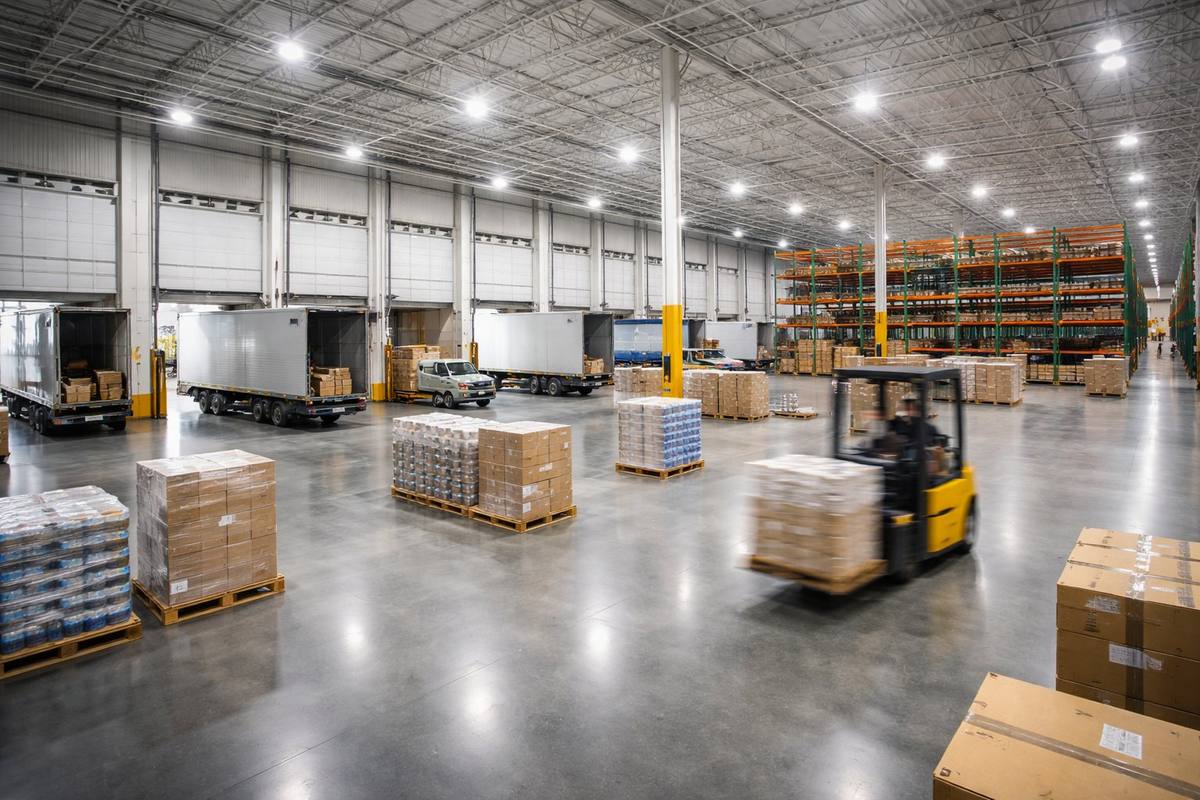
What is container devanning?
Container devanning (also called destuffing or unstuffing) is the process of removing cargo from a shipping container. There are three common scenarios:
- Floor-loaded containers: Cargo is loose-packed directly on the container floor, not on pallets. This requires hand unloading and on-site palletization.
- Palletized containers: Cargo is already on pallets inside the container. Devanning involves forklift unload, no palletization required.
- Mixed-load containers: Some palletized, some loose. Both processes happen during the same devanning event.
For most Florida importers — particularly those sourcing from Asia — floor-loaded containers are the default. Carriers maximize cubic-foot utilization by loose-loading, which means devanning at the destination is the standard process.
Why devan near PortMiami specifically?
PortMiami is one of the busiest container ports on the US East Coast, handling roughly 1 million TEU per year. Florida importers who clear cargo at PortMiami have two main devanning options:
- Devan at a facility near the port (Medley, Doral, Hialeah) — fast turnaround, low drayage cost, minimal detention risk.
- Devan at a destination further from the port (Central Florida, Georgia, Carolinas) — longer drayage runs, higher detention risk, but may align with downstream distribution.
For most South Florida importers, devanning near PortMiami is the right answer. The math is simple: drayage from PortMiami to Medley (15 miles) costs a fraction of drayage to Orlando (230+ miles), and detention windows are minimized because the container reaches its unload point within hours of port release.
The detention problem (and why location matters)
PortMiami detention charges apply when a container isn't returned to the port within the allowed free time — typically 4–7 days for most ocean carriers. Every day past free time costs $80–$250 per container per day.
The math:
- If your devanning facility is 15 miles from the port (Medley): drayage + devan + return can happen within 24 hours. Detention risk: near zero.
- If your devanning facility is 50+ miles from the port: drayage takes longer, devan windows are tighter, and weather or appointment delays push you into detention. Detention risk: moderate.
- If your devanning facility is 200+ miles from the port: you're almost certainly into detention on any container that doesn't move perfectly. Detention risk: high.
For high-volume importers, the difference between low and high detention risk can be tens of thousands of dollars per year. The closest qualified devanning facility almost always wins on total landed cost.
What container devanning typically costs in South Florida
Pricing varies based on container size, freight type, sorting requirements, and labor needed. Typical South Florida devanning pricing (May 2026):
- 20ft floor-loaded standard freight: $250–$450 per container
- 40ft floor-loaded standard freight: $450–$750 per container
- 45ft / high-cube: $500–$850 per container
- Sorting by SKU before palletizing: +$50–$150 per container
- Labeling or compliance prep: +$0.10–$0.50 per carton
- Heavy / oversized freight: Custom quoted
Add drayage costs (typically $300–$600 per container for PortMiami to Medley) and your full container-to-pallet cost lands in the $700–$1,500 range for most standard moves.
What's NOT included in most devanning quotes
Drayage, chassis fees, port fees, customs, fuel surcharges, and storage past the devanning day. When comparing devanning quotes, ask for a full landed cost estimate that includes all ancillary fees — not just the devan line item.
What to look for in a Florida devanning facility
Distance from the port
The single most important factor. For PortMiami cargo, anything beyond 30 miles starts to compound drayage and detention costs significantly. Medley (15 miles) is the closest qualified industrial corridor.
Live-unload availability
Live-unload (also called drop-and-hook with the driver waiting) eliminates detention by returning the empty container the same day it arrived. Confirm your devanning facility supports live-unloads, especially for higher-value shipments.
Dock count and bay availability
Facilities with limited docks force you to schedule devanning days in advance. For importers receiving multiple containers per week, look for facilities with 6+ docks and consistent same-day availability.
Sorting and palletizing capability
Some devanning operations do nothing but unload. The good ones offer sorting by SKU or destination, palletizing to your spec, stretch-wrap, labeling, and immediate cross-dock options. Pay attention to what's included vs. what's an upcharge.
Documentation discipline
Good devanning includes piece counts, damage documentation, and photos. Ask sample facilities to share their standard devanning report. If they can't produce one, that's a red flag.
The full devan-to-pallet flow at a quality Florida facility
Here's what a well-executed devanning process looks like at a South Florida 3PL like 3PL Prime:
- Pre-arrival: Container release information shared. Dock appointment scheduled. Operations team briefed on cargo type, expected piece count, and any special handling.
- Container arrival: Drayage carrier arrives. Driver checks in. Container is positioned at the assigned dock. Live-unload begins immediately or container is set on a drop pad.
- Unloading: Cartons are hand-unloaded. Pieces counted. Damages photographed. Any discrepancies vs. packing list are flagged immediately to the client.
- Palletizing: Cartons are built onto pallets to standard or client-specified spec. Stretch-wrap applied. Labels and placards added per requirements.
- Reporting: Devanning report sent — piece counts, photos, damage notes, palletization summary. Client confirms.
- Disposition: Pallets move to storage, are staged for outbound cross-dock, or held for inspection. Empty container is returned to the port.
Common mistakes Florida importers make
Choosing a facility based on price alone
The cheapest devanning quote is rarely the lowest total cost. A facility charging $50 less per container but missing two-day cross-dock windows or accumulating detention charges will cost you 5x more on the back end. Compare total landed cost, not line-item prices.
Not specifying palletization standards
If you don't tell the facility how you want pallets built — height, weight, wrap pattern, label placement — you'll get inconsistent pallets that cause downstream issues. Provide a clear palletization spec upfront.
Skipping the facility tour
Any serious 3PL will offer a free facility tour. Skipping this means you don't know whether you're dealing with a Class A facility or a leaky industrial unit. Tour every facility you're seriously considering.
The bottom line
Container devanning is one of the highest-leverage points in the import logistics chain. Get it right, and your cargo moves from port to distribution within a day. Get it wrong, and you pay detention, inconsistent pallets, and downstream delays.
For Florida importers clearing cargo at PortMiami, location matters most. The closer your devanning facility is to the port, the better your operating economics. Medley, FL — 15 miles from PortMiami via SR-826 — remains the industrial corridor that most efficiently solves the devan-to-distribute problem.
At 3PL Prime's Medley facility, we devan 20ft, 40ft, and 45ft containers with same-day live-unload availability, on-site palletization, and immediate cross-dock dispatch options. No setup fees. Request a quote and we respond within 24 hours.
Devan Your Next Container at 3PL Prime
Class A devanning facility, 15 miles from PortMiami. Live-unload, same-day palletizing, immediate cross-dock dispatch.
Request a Quote →